

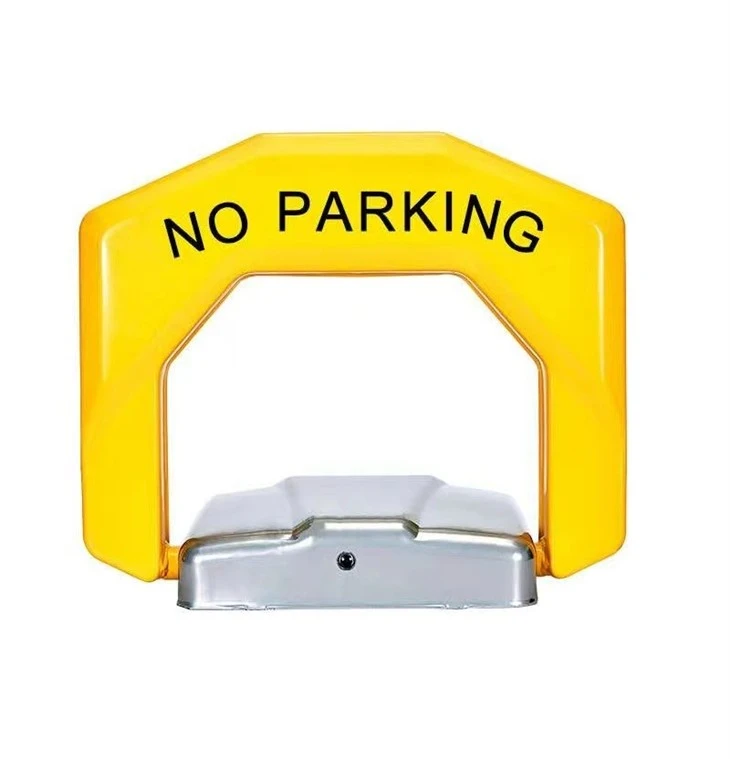
As a supplier of parking locks, I've seen firsthand the many benefits these devices offer. They can help manage parking spaces effectively, prevent unauthorized parking, and add a layer of security to your property. However, like any product, parking locks also come with their fair share of disadvantages. In this blog post, I'll delve into some of the drawbacks you might encounter when using parking locks.
1. High Initial Cost
One of the most significant disadvantages of parking locks is the high initial investment. Whether you're looking at Intelligent Remote Control Parking Space Bollards, Remote Controlled Parking Lock Barriers, or Solar Powered Remote Control Parking Post, the cost can be quite steep. These devices often require specialized installation, which adds to the overall expense. For small businesses or individual users, this upfront cost can be a major deterrent.
2. Maintenance Requirements
Parking locks need regular maintenance to ensure they function properly. Mechanical parts can wear out over time, and electronic components may require software updates. If you don't keep up with maintenance, the parking lock may malfunction, leading to inconvenience for users. For example, a faulty sensor in a remote - controlled parking lock can cause it to open or close at the wrong time. And let's not forget about the cost of maintenance. Hiring a professional to service your parking lock can be expensive, especially if it needs frequent repairs.
3. Limited Compatibility
Not all parking locks are compatible with every type of vehicle or parking space. Some parking locks are designed for specific vehicle sizes, and if you have a larger or smaller vehicle, it may not fit properly. Additionally, the layout of your parking space can also affect the usability of the lock. For instance, if your parking space has an irregular shape or limited clearance, it might be difficult to install a parking lock. This limited compatibility can be a hassle for users who want a one - size - fits - all solution.
4. Potential for Damage
Parking locks can cause damage to vehicles if not used correctly. When a vehicle hits a parking lock, it can result in scratches, dents, or even more serious damage to the car's body. On the other hand, the parking lock itself can also be damaged if it's hit by a vehicle. This can lead to costly repairs or the need to replace the entire lock. Moreover, if a parking lock is installed in a high - traffic area, the risk of damage increases significantly.
5. Security Risks
While parking locks are meant to enhance security, they can also pose security risks. For example, if the remote control system of a parking lock is not properly encrypted, it can be hacked. Hackers could gain access to the lock and open it, allowing unauthorized vehicles to park in the reserved space. Additionally, some parking locks rely on power sources such as electricity or solar energy. If there's a power outage or a problem with the power supply, the lock may not function, leaving the parking space vulnerable.
6. User Resistance
Some users may resist the use of parking locks. They may find them inconvenient, especially if they have to use a remote control or key to operate the lock every time they park. In a shared parking area, users may also object to the installation of parking locks, as it can limit the availability of parking spaces. This user resistance can make it difficult to implement parking lock systems in certain environments.
7. Weather - Related Issues
Parking locks are exposed to the elements, and weather conditions can have a significant impact on their performance. In cold weather, the mechanical parts of a parking lock may freeze, preventing it from opening or closing properly. Rain, snow, and extreme heat can also damage the electronic components of the lock. For example, water can seep into the control box and cause short - circuits. This means that parking locks need to be designed to withstand various weather conditions, which can increase their cost.
8. Regulatory and Legal Issues
There may be regulatory and legal issues associated with installing parking locks. Some local authorities have specific rules and regulations regarding the installation of parking locks, especially in public areas. You may need to obtain permits or follow certain guidelines before installing a parking lock. Failure to comply with these regulations can result in fines or legal action.
Conclusion
Despite these disadvantages, parking locks still have their place in the market. They can be a valuable tool for managing parking spaces and providing security. As a parking lock supplier, I understand the importance of weighing the pros and cons before making a decision. If you're considering purchasing a parking lock, it's essential to do your research, understand your specific needs, and choose a product that offers the best balance of features and cost.
If you're interested in learning more about our parking lock products or have any questions regarding the installation and maintenance, feel free to reach out. We're here to help you make an informed decision and find the right parking lock solution for your needs.

References
- General knowledge and experience in the parking lock industry.