



Commercial backless seating | Cast iron frame, oak slats | Fixed installation, anchor-ready


The frame is produced by sand casting, not fabricated from tube or sheet. Sand casting allows the leg profile to carry a thicker section at the base and a tapered transition into the seat rail without welded joints at the load points. Each leg is cast as a single piece; there is no weld seam between the foot plate and the upright. Castings are checked for surface voids and dimensional consistency before finishing.
The seat surface uses solid oak slats. For outdoor service, oak moisture content is brought to the 12–19% range before machining, matching the equilibrium moisture content the bench will see in service. Slats below that range tend to swell and cup after installation; slats above it shrink and open gaps at the fasteners. Slat thickness sits in the 36–38 mm band, the range commonly specified for commercial backless benches where seat span and point loading are both present. Each slat is machined with a rounded edge and pre-drilled at the fixing points to reduce splitting during assembly and on-site re-tightening.
Frame-to-slat connection uses stainless steel fasteners through cast lugs, not wood screws driven directly into the oak. The lug keeps the fastener bearing surface metal-to-metal, so the oak is held in compression rather than being crushed at the hole.
Products Description
| Specification | Details |
| Material | Premium Oak / Anti-Corrosive Wood & Heavy-Duty Cast Iron |
| Frame Type | Metal Skeleton (Industrial Cast Iron Frame) |
| Backrest | Backless Design (Sleek, Modern & Space-Saving) |
| Customization | Full OEM / ODM Support Available (Dimensions, Wood Type, Color) |
| Volume | 0.15m³ per unit (Optimized for shipping efficiency) |
| Foldable / Rotatable | Non-foldable / Fixed Frame for Maximum Stability |
| Armrests | Available / Optional upon project request |
| Applicable Venues | Parks, Hotels, Sidewalks, Campuses, Hospitals, Resorts, Outdoor Spaces |
Coating and corrosion exposure

The cast iron receives a zinc phosphate pretreatment before powder coating. Target dry film thickness is 60–120 μm, applied as a polyester powder and cured at the coating supplier's specified schedule. This range is chosen for cast iron because the as-cast surface has more micro-texture than rolled steel; a thinner film can leave anchor profile peaks exposed in coastal air.
For projects sited within roughly 1 km of salt water, specify a zinc-rich primer beneath the powder coat. Cast iron without a primer system will show rust bloom at edges and fixing points within a few seasons in salt-laden air, and the Gulf coastal market in particular accelerates this. The primer is a project-level option, not a default - inland park and campus installations normally do not require it.
Oak slats are finished with a penetrating oil or a film-forming exterior wood finish, depending on the buyer's maintenance regime. Penetrating oil is the lower-maintenance choice for hot, dry climates because it does not crack or peel; film-forming finishes hold color longer in wet climates but require periodic re-coating. Finish type is confirmed at order stage because it affects packaging and touch-up guidance.
OEM and specification options
OEM work on this bench concentrates on dimensions, wood species, coating color, and armrest configuration. Overall length can be adjusted within the cast frame's rail span; beyond that span, a different frame casting is required, and the tooling lead time is quoted separately.
Wood species can move from oak to another hardwood with comparable density and outdoor durability, subject to moisture content control at the partner workshop. Coating color is matched to RAL or a buyer-supplied sample; gloss level is selectable between matte and semi-gloss. Armrests are an add-on cast component and change the crate footprint, so they need to be confirmed before packing is calculated.
Logo and branding are applied to the cast foot or a seat rail plate, not to the oak face. Cast-in lettering requires a pattern change and is reserved for volumes that justify the tooling; laser-etched or fastened plates are the lower-threshold option.

Supply, packing, and consolidation

This bench is one line within a street furniture range that also covers metal planters, waste bins, bike racks, bollards, and manual parking locks. Buyers sourcing a full site package can consolidate benches with these categories in one container rather than splitting purchase orders across suppliers. Consolidation is handled at the partner workshop or at a designated loading point, with one set of shipping documents covering the mixed container.
Each bench is packed as a knock-down unit: cast frames crated separately, oak slats bundled and edge-protected, fasteners and anchors bagged and labeled per bench. Knock-down packing reduces volume per unit and lowers the risk of slat damage in transit compared with fully assembled crating. Container loading quantity depends on the length variant and whether armrests are included; a loading plan is issued with the quotation.
Pre-shipment inspection covers cast surface condition, coating thickness spot checks, slat moisture content at packing, fastener count per set, and anchor hole alignment against the installation drawing. Inspection records are available with the shipping documents.
Application


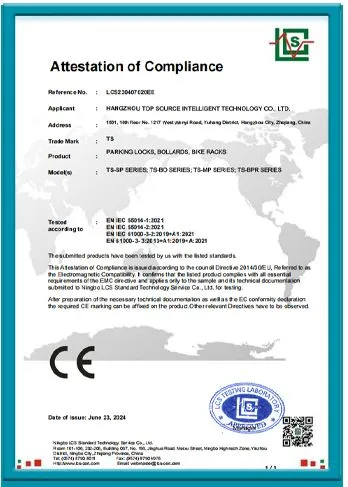
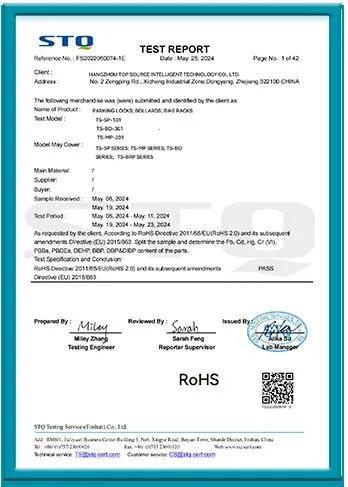
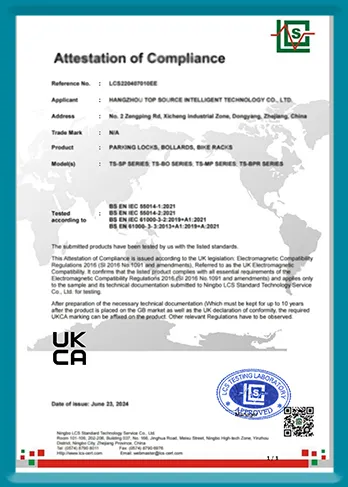
Complete Qualification Certificate


B2B Supply Chain & Container Packing


Q: What is the minimum order quantity, and can this bench be mixed with other items?
A: The bench is quoted at 20ft container volume as the base MOQ. Mixed loading is accepted - benches can be consolidated with planters, bins, bike racks, or bollards from the same range in one 20GP or 40HQ, subject to the loading plan. For a first order, a smaller trial quantity can be discussed if the bench shares container space with another product line.
Q: How is oak moisture content controlled before shipment?
A: Slats are machined at 12–19% moisture content and spot-checked with a pin meter at packing. If the destination is a humid coastal market, the upper end of that range is avoided to reduce swelling risk in transit. Moisture readings are recorded per batch and can be included in the pre-shipment report.
Q: What coating specification should be used for a coastal or Gulf installation?
A: For sites within roughly 1 km of salt water, specify a zinc-rich primer under the polyester powder coat at 60–120 μm DFT. Without the primer, cast iron edges and anchor points are the first areas to show corrosion. The primer adds cost and is not needed for inland parks or campus installations.
Q: Can the bench be supplied with a custom length and armrests?
A: Length variation is possible within the cast frame's rail span. Beyond that, a new frame pattern is required and tooling lead time applies. Armrests are a separate cast component; adding them changes the crate dimensions, so they must be fixed before packing and loading are quoted.
Q: What is the lead time for a standard order versus an OEM order?
A: Standard configurations run 20–30 days from artwork and packing confirmation, depending on container volume. OEM changes - custom coating color, non-oak hardwood, or armrest addition - add roughly 7–10 days for material sourcing and sample approval. Cast-in branding adds pattern lead time on top of that.
Hot Tags: cast iron and oak bench, China cast iron and oak bench suppliers


